







Search Results for: Baja Coffee Beans
Costa Rica Baja and Mozart Coffee Beans: A Comprehensive Analysis of Flavor and Mouthfeel Differences
As an important producing country of specialty coffee, Costa Rica has produced many distinctive coffee beans named after musicians. Among them, the Bach and Mozart beans have attracted much attention for their unique varieties and processing methods. This article takes Front Street Coffee's Bach coffee beans as an example to provide an in-depth analysis of their producing region background, the breeding history of the F1 variety, the technical details of the raisin honey processing method, and the cultivation story of the Canet estate. It also compares the differences in flavor and mouthfeel between the two beans, giving you a comprehensive understanding of the unique charm of this "Musician Series" coffee. [more…]
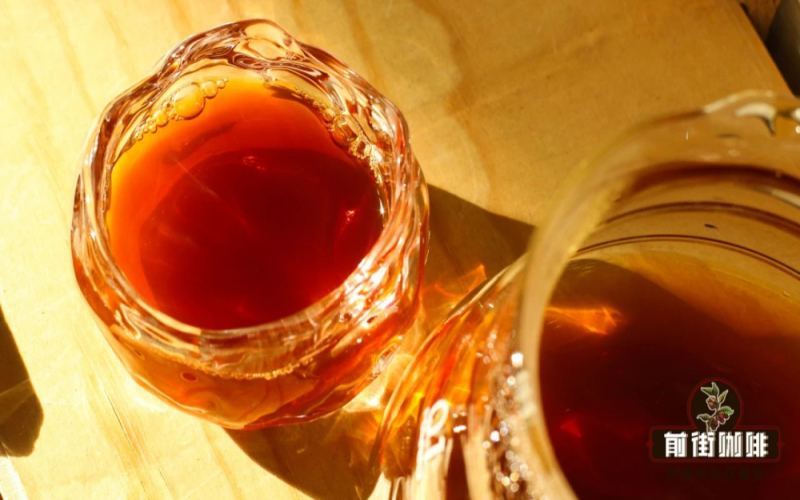
Costa Rica Baja Coffee Bean Flavor Analysis: Raisin Honey Processing and Musician Series Brewing Guide
Front Street Coffee presents the Costa Rica Musician Series Bach coffee beans, from the Canet Estate in the Tarrazú region, using the raisin honey process and the Yellow Caturra variety, at an altitude of 1,900 meters. This bean is known for its rich, solid red wine fermentation character, with the aroma of ripe grape fermentation accompanying it from dry fragrance to aftertaste, while rose floral notes and berry juice emerge in the middle. The flavor is steady and solemn yet with a sense of splendor. This article introduces in detail its regional background, processing method, and variety characteristics, and shares Front Street's roasting curve, cupping report, and staged brewing parameters, taking you to experience this "Air on the G String in the mouth." [more…]
A Complete Guide to Costa Rica Baja Coffee Flavor Analysis and Raisin Honey Processing Brewing Techniques
Among the Costa Rican Musician Series, the Bach coffee bean stands out with its unique raisin honey processing method, displaying intense fermented aromas and rich sweetness, making it a favorite among many coffee enthusiasts. This article will start from the principles of raisin honey processing, thoroughly dissect the flavor characteristics of Front Street Coffee's Bach bean, and conduct brewing comparisons using the V60, cake filter, and ice-eye filter separately, recording the effects of different filter cups on flavor layers, balance, and mouthfeel, helping readers find the most suitable brewing method for themselves and fully appreciate the charm of this bean. [more…]

Costa Rica Baja Coffee Bean Flavor Analysis: Raisin Honey Processing Characteristics and Pour-Over Parameter Guide
Among the Costa Rican Musician Series, the Bach coffee beans stand out with their unique raisin honey process, presenting an impressive fermented aroma and tropical fruit notes. Front Street Coffee's Canet Estate Bach uses the Caturra variety, grown at 1,950 meters in the Tarrazú region, where the raisin honey process imparts a rice-wine-like fermented character and berry sweetness. This article systematically reviews the origin background of Bach coffee beans, the story of Canet Estate, the details of the raisin honey processing, roasting curve analysis, and V60 pour-over parameter recommendations, and shares cupping flavor notes to help coffee lovers fully understand this specialty coffee that combines vinous aroma and fruity sweetness. [more…]
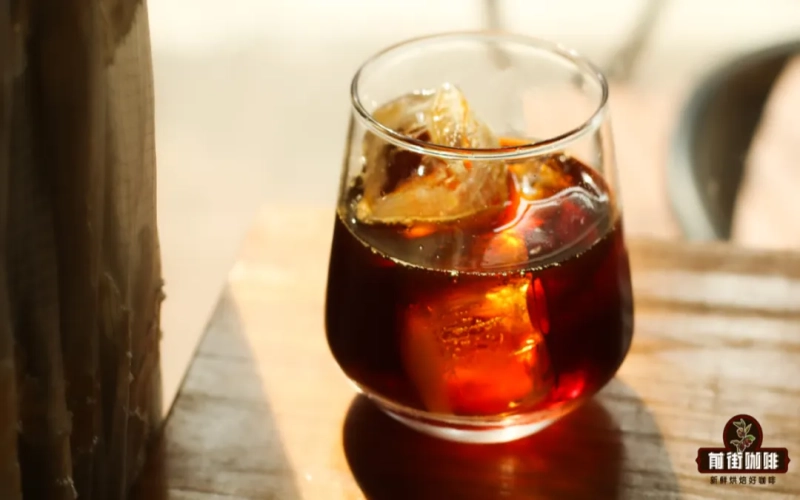
The Grind Myth of Cold Brew: Why Finer Grinds Actually Make Coffee Weaker
When making cold brew coffee, many people habitually apply the grind-setting logic of pour-over—if they want to increase the extraction yield, they grind finer. However, through comparative experiments, Front Street Coffee found that after grinding cold brew coffee finer, the measured concentration was actually lower. The reason behind this is closely related to the extraction method of cold brew, which involves long periods of static steeping. This article will fully analyze this phenomenon and explain the key points to note when adjusting the grind for cold brew coffee. [more…]
Costa Rica Canet Estate Bach Yellow Catuai Black Honey Process: Unique Fine Craftsmanship and Flavor Analysis
Canet Estate in the Tarrazú region of Costa Rica gives the Yellow Catuai variety a whole new flavor dimension with its original, meticulously refined black honey process. On a small plot of land dominated by passion fruit cultivation, the estate owner tends the coffee with great care, picking only ripe red cherries. The black honey process requires the right timing and conditions, retaining 100% of the mucilage and drying it under ample sunlight, creating a full, rich mouthfeel and excellent sweetness. This coffee, named Front Street Baja, displays a rich spectrum of fruit acidity ranging from berries to citrus, with dry and wet aromas that shift through multiple layers; when sipped, it is smooth and clean, with an acidity reminiscent of green kiwifruit. This article will take an in-depth look at its origin background, processing method, and complete flavor profile. [more…]
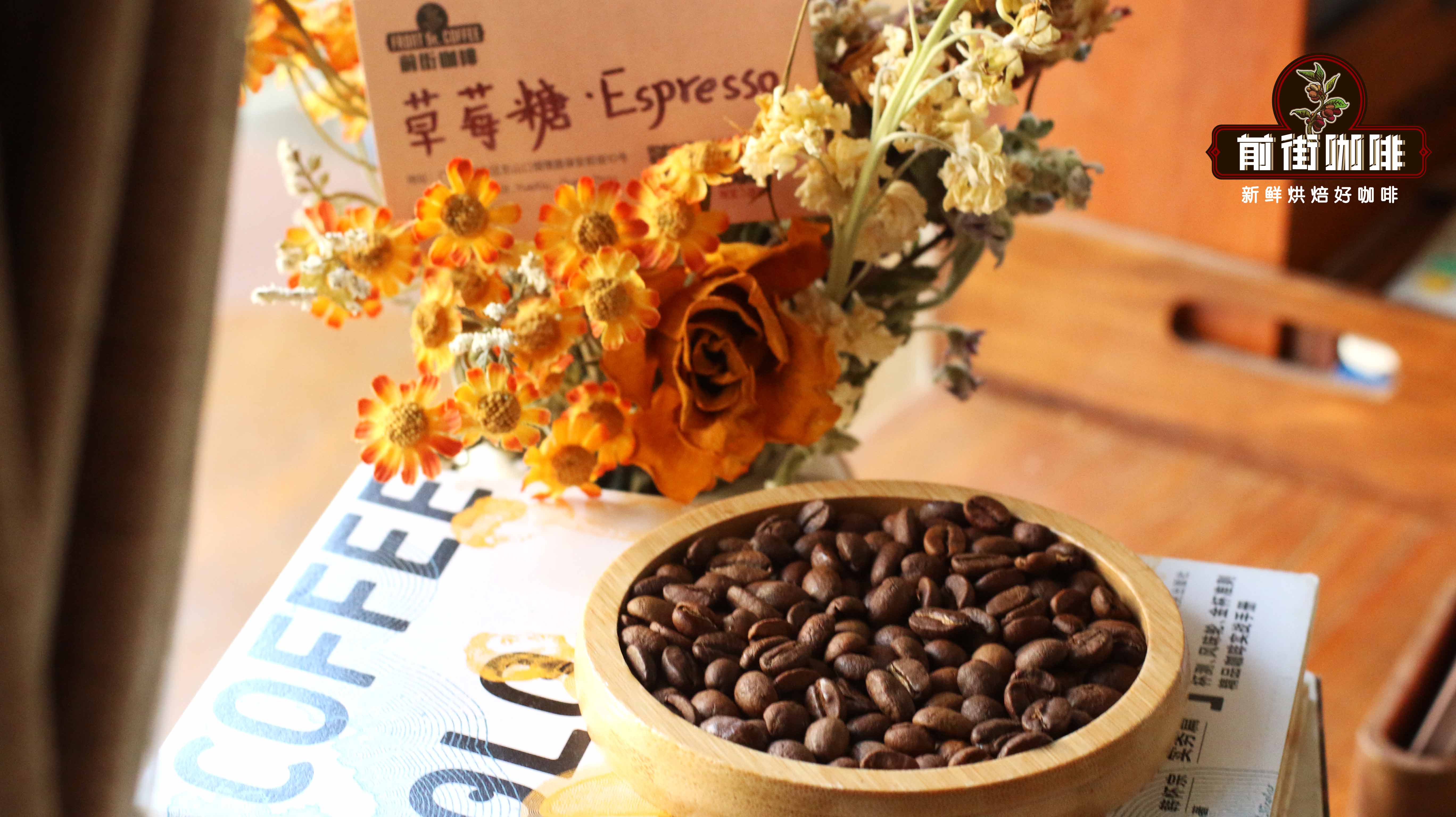
Costa Rican Coffee Flavor Analysis: Honey Processing, Tarrazú Region Characteristics, and Three Front Street Coffee Bean Recommendations
Costa Rican coffee has always been known for being balanced and mild, with bright acidity and rich aroma, and honey processing is its biggest highlight. This article starts with the definition and process of honey processing, sorts out the core status of the Central Valley, Tarrazu, and Brunca among Costa Rica's seven major production regions, focuses on the geographical advantages of the Tarrazu region and the strictly hard bean standard, and analyzes one by one the region information, processing methods, varieties, and flavor performance of Front Street Coffee's three Costa Rican beans: Bach, Beethoven, and Mozart. Finally, V60 brewing parameter suggestions are attached to give you a comprehensive understanding of why Costa Rican coffee tastes so good. [more…]
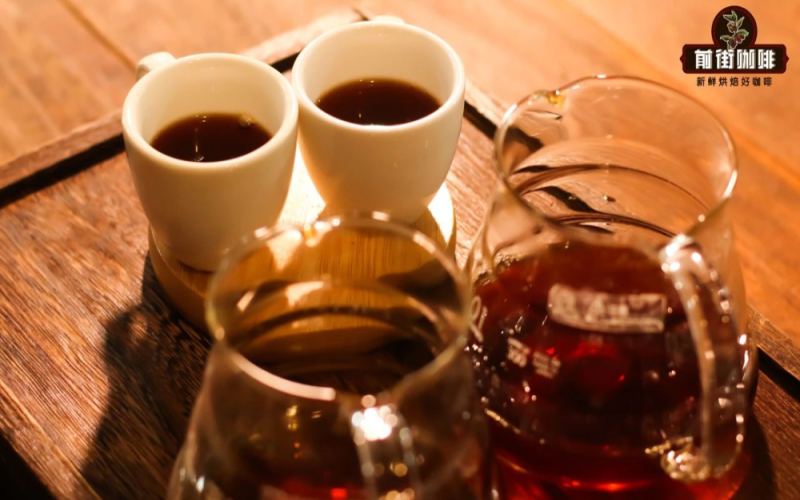
Costa Rica Coffee Flavor Analysis: Tarrazú Region Characteristics, Varieties and Processing Methods, and Pour-Over Parameter Guide
Costa Rican coffee has always been known for its balanced and mild character, harmoniously combining acidity, sweetness, and chocolatey bitterness, making it a steady and classic representative among American coffees. From the bean-selection perspective of Front Street Coffee, this article systematically reviews Costa Rica's growing environment, the distribution of its eight major producing regions, key varieties such as Bourbon and Caturra, and the differences between two processing methods: washed and honey. It also includes specific pour-over parameters for several Front Street single-origin coffees—Costa Rica Tarrazu, Mirazu, Mozart, and Baja—to help coffee lovers recreate a clean and smooth Costa Rican flavor at home. [more…]
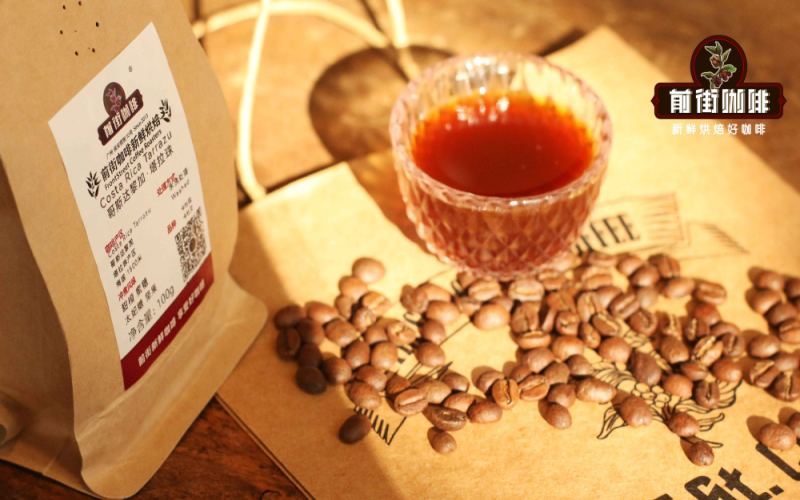
Analysis of Las Lajas Estate Black Honey Processing: How Sun Exposure Duration and Turning Rhythm Shape Flavor
Located in Costa Rica's Central Valley, Hacienda Las Lajas is one of the earliest pioneers to systematically study refined natural and honey processing. Estate owners Francisca and Oscar use a sweetness meter to select red cherries, and by varying the drying time and turning frequency on African raised beds, they subdivide honey processing into yellow honey, red honey, and black honey, and natural processing into Black Pearl and Black Soul. Among these, black honey processing retains the most mucilage, yielding a body close to that of natural coffee and a delicate sweetness reminiscent of dark berries. This article walks you through the processing logic of Hacienda Las Lajas and recommends single-origin coffees such as Front Street Coffee Washed Tarrazu, Front Street Coffee Mozart, Front Street Coffee Baja, and Front Street Coffee Blackberry, so you can experience the nuanced layers of Costa Rican coffee. [more…]
Analysis of the Optimal Serving Temperature for Hot Americano: A Comparative Experiment Between Dark and Light Roast Beans
In the cold winter, the order rate for hot Americanos rises noticeably, yet the serving temperature at different cafés varies widely, ranging from 60°C to over 90°C. Exactly which temperature range allows a hot Americano to reach its best flavor and mouthfeel? Front Street used a dark-roast espresso blend and a medium-light-roast single-origin bean respectively, comparing them one by one at four temperatures: 60°C, 70°C, 80°C, and 90°C, conducting tests across dimensions such as aroma retention, initial drinking experience, changes as it cools, and the length of the enjoyable drinking window. The results showed that the optimal temperature for dark-roast and light-roast beans is not the same, but both are not very friendly to high temperatures above 80°C. This article will present the full experimental process and conclusions to help coffee lovers find the most ideal state for a cup of hot Americano in winter. [more…]
Complete Guide to Bean Selection and Brewing for Cold Brew Coffee: Coffee-to-Water Ratio, Refrigerated Fermentation Time, and Storage Tips
Cold brew coffee, with its refreshing taste and rich aroma brought by low-temperature extraction, has become increasingly popular among coffee lovers in recent years. But which beans should you use, how do you set the coffee-to-water ratio, why must it be refrigerated for more than 8 hours after brewing, and how long can it be stored? This article addresses these frequently asked questions, drawing on the practical experience of Front Street Coffee, and breaks down the key points of making cold brew coffee one by one—from bean selection ideas and classic blend recipes to the complete steps for using a Tiamo cold brew tower—to help you make a cup of cold brew coffee that is full of aroma and smooth on the palate. [more…]

Decoding the Flavors of Coffee's Three Major Producing Regions: Representative Beans from Africa, Latin America, and Asia, Plus Front Street Coffee's Curated Recommendations
Global coffee cultivation is concentrated in the Coffee Belt between 15 and 25 degrees north and south latitude, covering more than 50 countries and forming three major producing regions: Africa, Latin America, and Asia. Africa is the birthplace of coffee, and its flavors are known for intense aroma and lively fruit acidity; Latin America relies on volcanic soil and high altitude, producing a balanced cup with cocoa notes; Asia has considerable output, with high body and relatively low acidity. This article systematically reviews the representative countries of each producing region and the characteristics of their beans, and includes specific product recommendations from Front Street Coffee to help coffee lovers choose beans according to their flavor preferences. [more…]
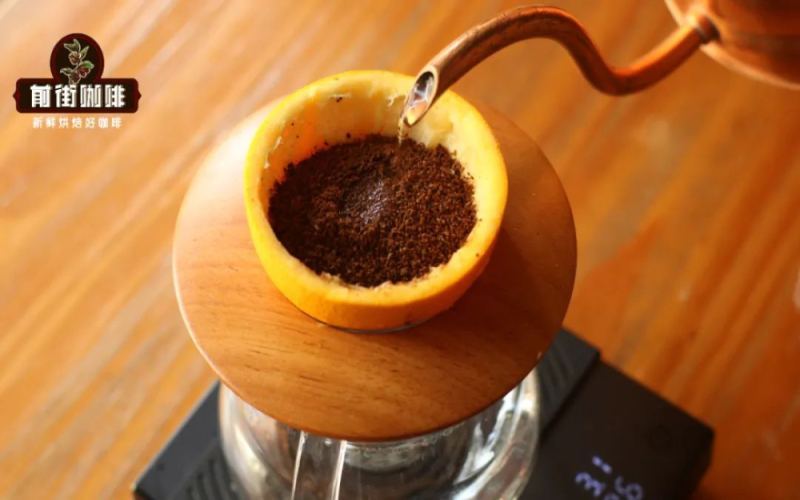
Is it feasible to make a pour-over dripper from fresh orange peel? A complete hands-on test from choosing the fruit and poking holes to brewing parameters
Hollowing out a fresh orange to make a dripper for brewing coffee—this method, which once went viral online, has recently seen new variations. Front Street Coffee, out of curiosity, gave it a try firsthand, from picking oranges, scooping out the flesh, poking holes, to brewing, and conducted a comparative test with two different coffee beans. The first attempt, due to holes that were too small, caused severe clogging and over-extraction, resulting in bitterness; the second time, after enlarging the hole size and coarsening the grind, a delicious cup was finally achieved, featuring citrus aromas, blueberry sweetness, and a black tea-like sensation. This article fully documents the steps, parameters, and pitfalls of this experiment, and summarizes three key details to note when using an orange peel as a dripper, for the reference of coffee enthusiasts who enjoy hands-on experimentation. [more…]
Flavor Comparison of Coffee Beans from the World's Three Major Producing Regions: An Analysis of the Taste Characteristics of Africa, Latin America, and Asia
The coffee belt spans both sides of the equator, and more than fifty countries around the world produce coffee, but the regions that truly form the flavor map are mainly concentrated in three major areas: Africa, Latin America, and Asia. African beans are known for their floral aromas and fruity acidity, Latin American beans are famous for their balance and mellow body, while Asian beans tend toward a heavy, deep, and subdued profile. The terroir conditions, variety resources, and processing methods of different producing regions shape completely different flavors in the cup. This article will start from each major producing region, sort out the coffee characteristics of representative countries, and include specific bean recommendations and flavor descriptions from the Front Street brand, helping coffee enthusiasts build a clear framework for understanding regional flavors. [more…]
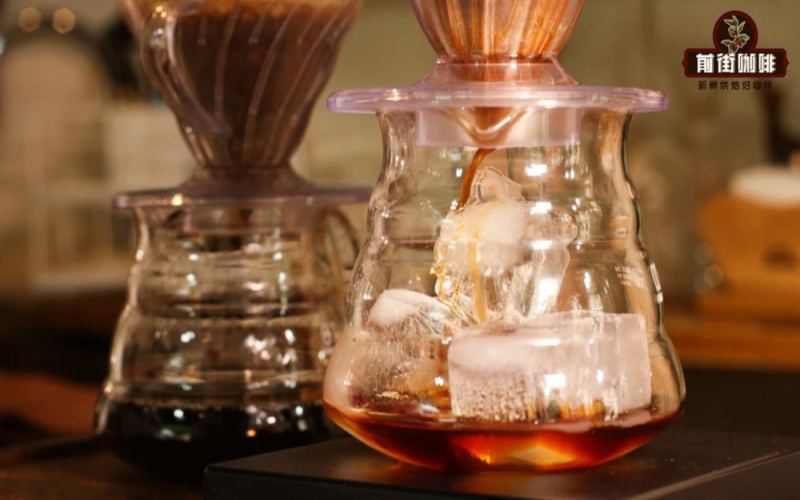
How to Choose Coffee Beans for Beginners? The Difference Between Dark Roast and Light-Medium Roast, Plus Front Street Coffee's Recommended Everyday Beans from Major Regions
Friends who are just getting into coffee often struggle with the same question: for a beginner, should you choose dark-roasted or light-to-medium-roasted coffee beans? In fact, whether it's single-origin or espresso, freshness always comes first. For single-origin beans, pay attention to origin, altitude, and processing method, while for espresso beans, look at the blend recipe. The world's coffee-growing regions can be broadly divided into three major areas: Africa, Asia, and the Americas, each presenting different flavors such as floral and fruity acidity, nutty and herbal notes, or nutty and chocolatey notes. Front Street Coffee's everyday drinking beans are selected from representative regions across major growing areas, mainly using the washed process, striving to showcase the true flavors of their origins. This article will introduce Front Street Coffee's everyday drinking bean series one by one by region, and share pour-over pouring techniques and the importance of coffee bean freshness, helping beginners find the cup of coffee that suits them. [more…]

How to Choose Beans for Pour-Over Coffee? A Full Breakdown of Representative Brands from Seven Major Origins and Key Buying Tips
Faced with a dazzling array of coffee beans, many enthusiasts don't know where to start. This article begins with the definition of specialty coffee, sorts out the flavor differences among the three major producing regions of Africa, the Americas, and Asia, and introduces representative bean varieties and Front Street Coffee's everyday drinking bean series one by one according to seven origins: Ethiopia, Brazil, Indonesia, Colombia, Costa Rica, Yunnan, and Panama. It also shares how pour-over pouring techniques and coffee bean freshness affect flavor, helping readers find the cup that suits their own taste. [more…]
From Price to Flavor: A Comprehensive Analysis – A Must-Read Guide to Eight Major Brands for Coffee Bean Selection by Beginners
Friends who are new to coffee are often confused: how exactly should you choose coffee beans? What is the difference between specialty coffee and ordinary commercial beans? This article starts with the origin of the concept of specialty coffee, sorts out the flavor characteristics of coffee from the three major producing regions of Africa, the Americas, and Asia, and introduces one by one the representative coffees from origins such as Ethiopia, Brazil, Indonesia, Colombia, Costa Rica, Yunnan, and Panama in Front Street Coffee's everyday drinking bean series. At the same time, the article also shares the influence of pour-over pouring techniques and coffee bean freshness on flavor, helping beginners build their own coffee selection framework from scratch and find the cup that truly suits their taste. [more…]

Ice Drip Coffee Powder-to-Water Ratio | How to Replicate Starbucks' Ice Drip? Affordable Single-Origin Coffee Bean Recommendations for Beginners to Make Cold Brew and Ice Drip
Choosing coffee beans—coffee beans actually determine the flavor of the coffee you make. Many people are used to coffee being bitter, especially those who love drinking coffee from a certain American coffee chain. If you are already used to drinking bitter coffee, I suggest you first try iced-drip Mandheling coffee; it lets you taste the difference between iced drip and what you usually drink. [more…]
Where Does Coffee Aroma Come From? From Variety to Roast: Analyzing the Formation and Identification of Floral and Fruity Notes in Light-Roasted Beans
Coffee contains thousands of compounds capable of stimulating our senses of smell and taste; they drift into the air for us to inhale, or dissolve in water to touch our taste buds. From a scientific perspective, brewing coffee is essentially an extraction process, and four key elements—raw material, contact area, temperature, and time—jointly determine the final flavor profile. In the raw material stage, the coffee bean's variety, roast level, freshness, and brewing method are all crucial, with variety being the primary factor. This article will focus on floral aroma, a precious flavor in specialty coffee, exploring how it is comprehensively influenced by variety, cultivation, processing method, and roast level, and introducing specific ways to identify different aroma types, while recommending several representative beans from Front Street Coffee. [more…]

The Complete Guide to Making Cold Brew Coffee: Detailed Steps from Bean Selection to Refrigerated Fermentation and Front Street Flavor Recommendations
Cold brew coffee, with its refreshing taste and rich layers of flavor, has become a favorite among many coffee lovers. To make a delicious cold brew, every step is crucial, from choosing the coffee beans to controlling the drip rate. This article starts with the principles of bean selection and, combined with recommendations for several Front Street Coffee beans, explains in detail the process of making cold brew coffee, including the ratio of coffee grounds to water to ice, techniques for using filter paper, drip rate control, and the refrigeration and fermentation time required. Whether you are a beginner just getting into cold brew or an advanced brewer looking to improve your output quality, you will find practical guidance in this guide. [more…]